
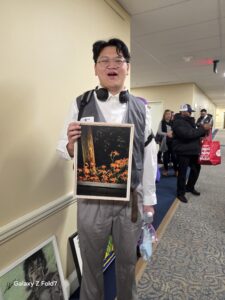
 Spencer is an artist, an explorer, and a young man who knows exactly what he wants from life. Through self-direction, he has built a life shaped by his passions and, most importantly, his own choices.
Spencer was born in China and adopted at age four. Early language barriers and cultural differences delayed his diagnoses, which later included cognitive delays, PTSD, mood disorder, and speech and hearing challenges related to a cleft lip and palate. From a young age, Spencer was fiercely independent. He wanted to be included, not separated, and he struggled in environments that felt restrictive or rushed.
Self-direction offered a different path. Instead of following a preset schedule or group routine, Spencer now directs his own life. He chooses how to spend his time, who he works with, and what skills he wants to develop. That freedom has allowed him to grow in ways that simply were not possible before.
Today, Spencer’s life is full of experiences that make him happy. He spends time creating art, crocheting, and exploring photography. He is learning how to safely use ride-sharing apps to access the community on his own. He forages for plants and builds daily living skills in a semi-independent apartment space. He also uses assistive technology to communicate, write emails, and participate in virtual meetings — skills that support his long-term independence.
Just as important, Spencer goes through his days at his own pace, without being rushed or talked down to. He sets his own pace. He decides when he needs support and when he does not. That sense of control has supported his emotional well-being, helping him learn self-regulation and confidence in a way that feels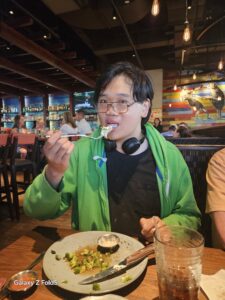 respectful and affirming.
Self-direction has also proven to be a responsible use of resources. Instead of funding full-time programs that may not fit Spencer’s needs, resources are directed toward targeted, meaningful assistance that supports positive outcomes, independence, skill-building, and community participation. This individualized approach reduces unnecessary costs while producing measurable progress.
A stable, fairly paid direct support workforce is critical to this success. Spencer relies on skilled professionals who understand autonomy, communication differences, and respectful support. Cutting wages risks losing the very people who make outcomes like Spencer’s possible.
Looking ahead, Spencer has clear goals. He dreams of living independently one day, possibly in a small home of his own. Through self-direction, he is building the skills and confidence needed to move toward that future.
Spencer’s story shows what is possible when people are trusted to direct their own lives. Self-direction is not just about services. It is about dignity, opportunity, and investing public dollars in ways that truly benefit and enhance lives, like Spencer’s.