
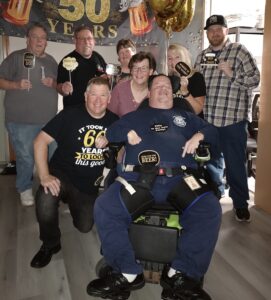
 For Ed, self-direction comes down to one word – trust. It’s the trust he has in the people who support him, the comfort he finds in his own home, and the peace of mind he carries through his daily life. As Ed got older and his needs evolved, self-direction gave him something that mattered deeply, true control over who supports him each day.
“With my family as staff, I feel more comfortable,” Ed says. “That’s the best thing since sliced bread. I’m very lucky to have them.” Having family members serve as his support staff means he feels safe and understood. He doesn’t have to worry about unfamiliar faces in his home; he knows the people helping him truly care about his well-being. “I don’t have to worry about things,” he explains. “They know what to do, and it works out very well like that.”
Because these relationships are built on years of shared experience and trust, proposals to reduce or limit family members as paid support staff are deeply concerning to him. “I would not feel comfortable letting just anybody in my home,” he says. For Ed, these supports aren’t interchangeable. They are truly the bedrock of his stability and security.
That stability shapes his entire day. Mornings take time; getting ready, showering, and completing his routines can take several hours. With family by his side, there is an inherent patience and understanding that makes the process feel dignified rather than rushed. Once he is ready, Ed heads into the community. He shops for groceries, and he also volunteers with his local fire department, staying active and connected. “I do feel more free,” he says. “I can get out and do more things in the community.”
Volunteering gives him a sense of purpose and pride, and he knows that without his trusted family support, that freedom would feel very different. “If I had regular people, I wouldn’t feel as comfortable doing that as I do now,” he explains. “I just feel so much more secure having my family by my side.” Ultimately, self-direction hasn’t just made his routine smoother; it has brought his family closer together. “We’ve become closer,” Ed says. “I know I can trust my family. It’s better that way.” For Ed, self-direction means being able to live life the way he wants to, allowing him to contribute to his community and feel secure in his own home. It works because it’s built on trust, and trust is what makes his independence possible.