
 For Connor, self-direction has been life changing. For his mom, Donna, it has meant watching her son rediscover joy, health, friendship, and a sense of belonging.
Connor is 28 years old and, like many people, experienced isolation during the COVID-19 lockdown. His day program shut down, and for nearly 18 months he stayed home, disconnected from friends and routine. During that time, Connor gained nearly 90 pounds and became increasingly withdrawn. Donna adjusted her work schedule using intermittent leave just to get him out into the community a few days a week.
During those outings, Connor met individuals who were already self-directing. The idea felt overwhelming at first, but as they watched people successfully shape lives that fit them, something clicked. “He can do this,” they realized. Self-direction gave Connor the flexibility to build a support system centered entirely around his needs and routine. They hired people who knew Connor well, including his longtime best friend. Donna eventually made the difficult decision to leave her job so she could focus on Connor full time.
With the time and attention self-direction allowed, the team was able to uncover the root cause of Connor’s health struggles. Working with a functional medicine doctor, they learned his issues were largely nutritional and hormonal. Once those were addressed, Connor lost more than 80 pounds. The transformation was gradual, but undeniable. “If it wasn’t for self-direction,” Donna said, “we never would have figured this out.”
Today, Connor’s life is full and he participates daily in his community. He is constantly on the move, engaged in activities he loves and surrounded by people who care about him.
In addition to improving Connor’s quality of life, self-direction has proven to be an efficient use of resources. Instead of funding a one-size-fits-all program that left Connor bored, inactive, and unhealthy, his services are now tailored to what actually works. This approach has helped prevent costly health complications and supported long-term stability. By focusing on positive outcomes, self-direction allows funding to be used where it makes the biggest difference.
Perhaps the most meaningful change has been Connor’s personal connections. Before self-direction, he was lonely and isolated. Today, he has a tight-knit group of friends he proudly calls “his boys,” along with close friendships with others in his community. His world has expanded in ways that may have never happened without self-direction.
As a mom, watching this transformation brings tears to Donna’s eyes – happy ones. Connor has a craniofacial difference, and his mother says one of her greatest joys is seeing people recognize his inner beauty, not just his appearance.
Self-direction, she says, is often misunderstood. Many families worry it’s too much work. While the setup takes effort, Donna believes that with the right support broker and service coordination, it becomes manageable, and more than worth it.
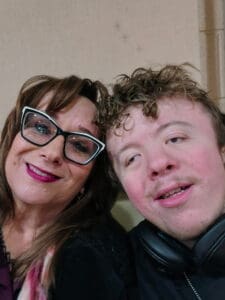 Looking ahead, Donna’s hope is simple. She wants Connor to remain happy, healthy, and engaged in the life he’s built. She believes strongly that self-direction is not just a preference for Connor, but a necessity. Without it, she fears he would lose the progress he’s made and the independence he’s gained.
“I refer to self-direction as the beautiful life Connor has built,” Donna shared. “My hope is that Connor can continue living this life, staying happy, healthy, and connected to the people and activities that matter to him.”
Connor’s story is a reminder of what’s possible when people are supported as individuals, not placed into systems that weren’t designed for them. Self-direction gave Connor more than services. It gave him a life.